
Reasons One Eyelid Droops More Than the Other
- Posted on: Aug 15 2026
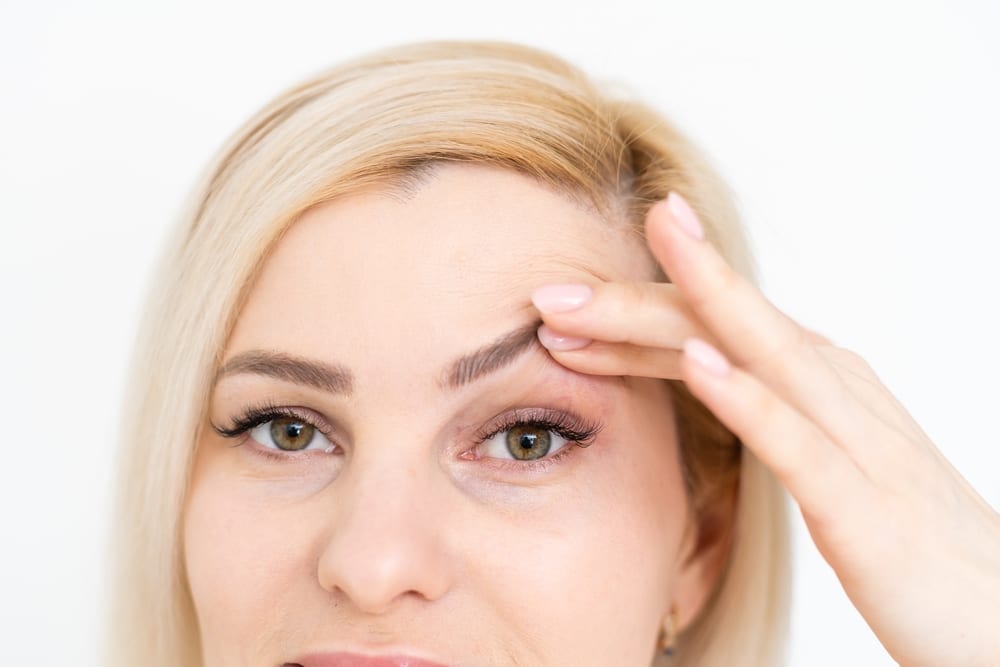
One eyelid may droop more than the other when the muscle that raises it becomes weak, stretched, injured, or affected by a nerve or medical condition. This uneven eyelid position is called ptosis. Depending on its severity, it can change your appearance, narrow your field of vision, or make it harder to keep the eye fully open. Ptosis repair helps raise the eyelid when drooping interferes with sight or everyday comfort.
Ophthalmic Plastic & Cosmetic Surgery in St. Louis includes board-certified ophthalmologists Dr. John Holds, Dr. Adam Buchanan, and Dr. Sara Reggie. Each physician has advanced fellowship training in oculofacial or ophthalmic plastic surgery, a specialty involving the eyelids, tear ducts, eye sockets, and surrounding facial structures.
Age-Related Changes Can Affect Each Eye Differently
A common form of acquired ptosis develops when the levator aponeurosis, the tissue connecting the eyelid-lifting muscle to the eyelid, gradually stretches, weakens, or separates. Although aging affects both sides of your face, it doesn’t always affect them equally.
You might first notice that one eye appears smaller in photographs or that the eyelid crease sits higher on one side. You may also notice that the difference appears more pronounced later in the day.
Ptosis Can Be Present From Birth
Some people are born with a poorly developed levator muscle, which lifts the upper eyelid. Congenital ptosis can affect one or both eyes, though one-sided drooping is common.
Children with significant ptosis should receive an eye evaluation. A low eyelid may block vision or cause a child to tilt their head backward or raise their eyebrows to see more clearly.
Previous Surgery, Injury, or Contact Lens Use May Play a Role
An eye injury can damage the muscle, tendon, or nerves involved in eyelid movement. Ptosis can also develop after eye surgery when eyelid tissues have been stretched or disturbed.
Long-term use of rigid contact lenses has also been associated with acquired ptosis. Repeated eyelid manipulation during lens insertion and removal may contribute to stretching or weakening of supportive tissues.
Medical Conditions Can Cause Uneven Drooping
Less commonly, one drooping eyelid can be related to myasthenia gravis, Horner syndrome, a cranial nerve disorder, an orbital mass, or another neurological condition.
A suddenly drooping eyelid requires prompt medical attention, especially when accompanied by a severe headache, weakness, difficulty speaking, pupil changes, double vision, or vision loss.
How Is a Drooping Eyelid Evaluated?
Your examination may include eyelid measurements, an assessment of muscle function, pupil testing, and a review of how the eyelid affects your vision. To determine the most appropriate treatment, your provider will consider the cause and degree of drooping. When ptosis surgery is recommended, the eyelid-lifting muscle can be shortened, tightened, or reattached to raise the lid to a more functional position.
Schedule an Exam Today
An uneven eyelid doesn’t always require surgery, but a professional evaluation can clarify why it’s happening. To discuss changes in your eyelid position, contact Ophthalmic Plastic & Cosmetic Surgery at 314-567-3567. We serve patients throughout St. Louis, St. Peters, and the surrounding areas.
Posted in: Ptosis Repair