
Flaps vs. Grafts: How Surgeons Rebuild the Eyelid Margin After Cancer Removal
- Posted on: Nov 30 2025
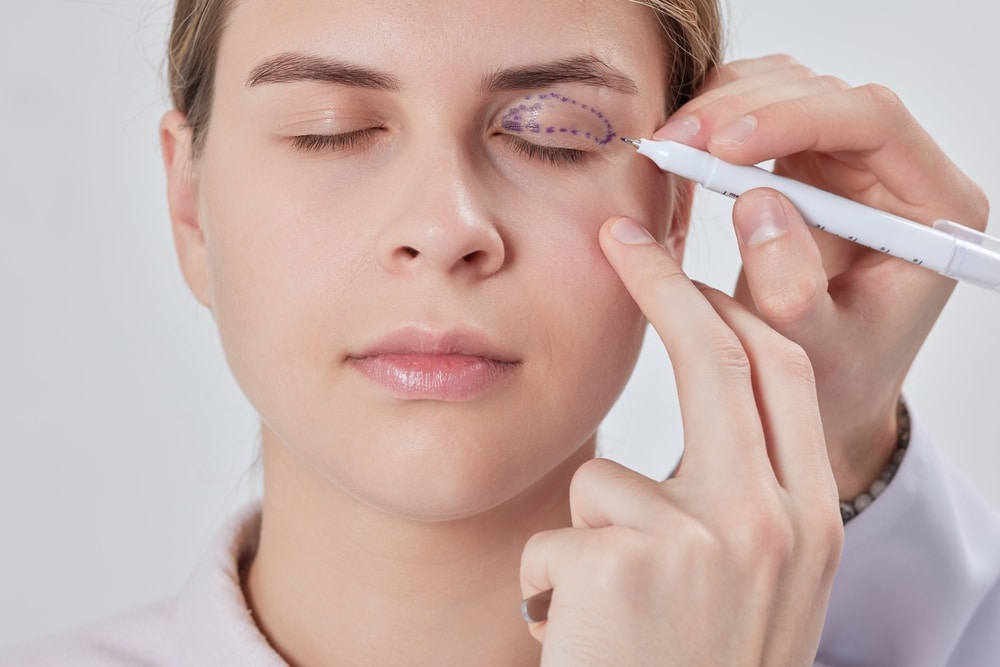
Eyelid cancer reconstruction is one of the most delicate procedures in oculofacial surgery. When skin cancer affects the eyelids, it can compromise both appearance and function. Restoring these structures requires precision and artistry. Understanding how surgeons rebuild the eyelid margin after cancer removal helps you make an informed decision about your care.
At Ophthalmic Plastic & Cosmetic Surgery, Inc., Dr. John B. Holds and Dr. Adam G. Buchanan specialize in reconstructive eyelid surgery. Dr. Holds is a board-certified ophthalmologist and Clinical Professor of Ophthalmology and Otolaryngology–Head and Neck Surgery at Saint Louis University. At the same time, Dr. Buchanan is a board-certified oculofacial plastic surgeon and former U.S. Army Colonel with advanced fellowship training. Together, they perform complex eyelid reconstructions using precise flap and graft techniques to restore both function and appearance.
What Is the Difference Between a Flap and a Graft?
After removing cancerous tissue, the surgeon must close the defect while maintaining natural eyelid movement. The two main reconstruction methods, flaps and grafts, serve different purposes depending on the size and depth of the tissue loss.
Flaps involve repositioning nearby healthy skin and tissue to cover the surgical site while maintaining its own blood supply. Grafts, on the other hand, involve the transplantation of skin or tissue from another area, which then gradually develops a new blood supply.
Both options are essential tools for restoring eyelid structure. The choice depends on the defect’s location, the amount of missing tissue, and the patient’s overall health.
When Surgeons Use Flaps in Eyelid Reconstruction
Flaps are ideal when the surrounding eyelid skin remains healthy and flexible. They allow natural blending with adjacent tissue and preserve local function. Common types of flaps include:
- Advancement flaps: Move skin forward to close small defects without distorting the eyelid edge.
- Rotation flaps: Rotate a nearby area of skin into place for moderate-sized defects.
- Tarsoconjunctival flaps: Replace the inner eyelid surface when both skin and deeper tissue are missing.
Flap techniques maintain texture and tone similar to the original skin, helping the eyelid heal with minimal scarring and excellent function.
When Grafts Are the Better Option
Grafts are preferred when there isn’t enough nearby tissue to close the wound. They involve taking skin, cartilage, or mucosal tissue from another body area to rebuild the eyelid. Types of grafts include:
- Full-thickness skin grafts: Replace both layers of the eyelid skin, often using donor tissue from behind the ear.
- Mucous membrane grafts: Restore the inner eyelid surface for smooth blinking.
- Cartilage grafts: Add structure and strength to maintain eyelid position.
Although grafts take longer to heal, they can successfully restore eyelid shape, movement, and protection for the eye.
Schedule Your Consultation for Eyelid Cancer Reconstruction in Missouri
If you need eyelid cancer reconstruction in St. Louis or St. Peters, MO, trust Dr. John Holds and Dr. Adam Buchanan at Ophthalmic Plastic & Cosmetic Surgery, Inc. Call 314-567-3567 to schedule your consultation today.
Posted in: Eyelid Surgery