
Upper Eyelid Plastic Surgery in St. Louis & St. Peters, MO
If your upper eyelids look heavy, droopy, or puffy, upper blepharoplasty (upper eyelid surgery) may help you look more rested while improving eyelid contour. This cosmetic procedure removes excess skin and fat that can make the eyes appear tired — or, in some cases, interfere with vision.
At Ophthalmic Plastic & Cosmetic Surgery, Inc., our board-certified ophthalmologists create personalized plans based on your goals, anatomy, and overall eye health. We work hard to ensure our patients achieve natural-looking results.
What is Upper Blepharoplasty?

Upper blepharoplasty is a surgical procedure that improves the appearance and, in some cases, the function of the upper eyelids by removing or repositioning excess skin and small pockets of fat. Also called upper eyelid surgery, it can help correct drooping or heavy lids that make the eyes look tired or aged. For some patients, upper blepharoplasty may also improve vision when loose skin interferes with the upper field of view.
candidates for Upper Eyelid Surgery
Candidates for cosmetic eyelid surgery are unhappy with the appearance of their upper eyelids and the impact it has on their overall appearance.
If your upper eyelids are drooping, puffy, or have excess skin, you might be a good candidate for eyelid surgery. Ideal candidates must also be in good health, have healthy facial tissue, and not have any eye conditions.
If your upper eyelids are causing problems due to visual obstruction, you may be a candidate for functional upper blepharoplasty, which is covered by health insurance.
Eyelid Surgery Consultation
During your consultation, our board-certified ophthalmologists will discuss your surgical goals and create a plan tailored to you. It is important to have realistic expectations and a mutual understanding of goals. Patients will need to provide a medical history, list of current medications, and disclose any major illnesses. Some medications may be off limits for a week before eyelid surgery.
Next, our team will perform an examination to look for any eye conditions, such as dry eye. Certain eye conditions can limit or alter the surgical plan. Our team is highly knowledgeable about eye diseases and concerns. Some of the best facial and cosmetic surgeons in the St. Louis area refer patients to us.
Upper Eyelid Surgery with Our Team
What Happens During Upper Eyelid Surgery?
Upper eyelid surgery is among the most popular cosmetic surgeries. It is an outpatient procedure performed under local anesthesia. In addition, patients can take a sedative to help them relax or sleep during surgery. The whole procedure takes about 1 to 2 hours, depending on the patient’s eyelids.
First, your surgeon will make an incision in the crease of your upper eyelid so that the small scar is hidden. Depending on the cause of the drooping lids, they will remove fat pockets or excess skin to create a normal, symmetrical lid.
Our surgeons are careful to optimize symmetry to make sure that your eyes match as closely as possible. Eyebrow position is also considered, as it is particularly important in relation to upper eyelid surgery. When they’re finished, your provider will close the incisions with sutures and cover the area with gauze.
Eyelid Surgery Before And After
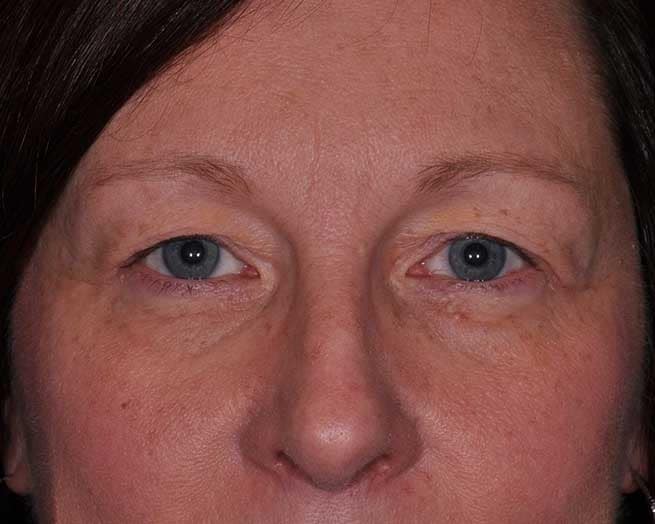
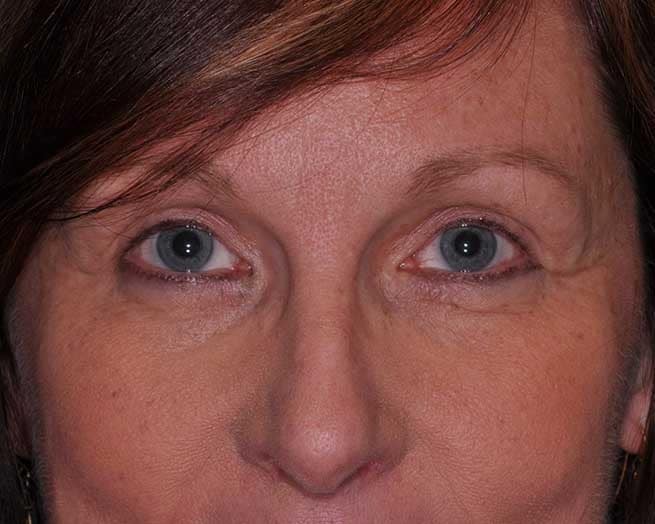
Blepharoplasty Results
Upper Eyelid Surgery Recovery
After surgery, you will need someone to drive you home. Once the anesthetic wears off, bruising, swelling, and soreness may develop. If necessary, medication can be taken to decrease the pain. Additionally, our team may give you eye drops or ointments to use for 1 to 2 weeks. Patients can visit our team 6-8 days after surgery to have the sutures removed.
Patients will need to sleep with their heads elevated and apply ice packs to their eyes periodically. This will keep inflammation down. After about a week, patients can return to work. In two weeks, patients can wear contacts, apply makeup, and exercise, at which time the bruising should have completely disappeared.
Additional options for Eye Plastic Surgery
Sometimes, patients choose to undergo upper eyelid surgery alongside additional procedures to enhance the beauty of other facial features. Examples include:
Why Choose Ophthalmic Plastic & Cosmetic Surgery, Inc., for Upper Eyelid Surgery in St. Louis?
How painful is an Upper Eyelid Blepharoplasty?
How long will the results of my Upper Eyelid Blepharoplasty last?
Experts say that, on average, upper blepharoplasty can last 5 to 7 years. However, there is no way to predict the outcome of every case. People who take good care of their skin, particularly in UV protection, can prolong the rejuvenating effects of their eyelid surgery. At some point after the initial procedure, a patient may want to touch up the eye area. This may not require surgery. In fact, most people who have a well-performed blepharoplasty do not repeat the surgery.
Can you watch TV after an Upper Eyelid Blepharoplasty?
It is common for patients to watch television and movies, read books or magazines, and answer emails or scroll social media while recovering from plastic surgery. Blepharoplasty is different because it directly affects the eyes. Surgeons advise patients to avoid activities that involve staring at a screen, page, or any object, for that matter.
After blepharoplasty, the eyes can get tired and dry more easily. Patients must apply eye drops to soothe these side effects, so we do not want to create a situation that exacerbates them. As an alternative to using computers, tablets, smartphones, television, and books for entertainment, you might listen to audiobooks, music, or podcasts.
This limitation on recreational activities tends to last only a week or so, after which you may begin enjoying your previous activities, starting with limited screen time and gradually increasing as comfort permits.
Can both men and women undergo the Upper Eyelid Blepharoplasty procedure?
Yes. Upper blepharoplasty is appropriate for men and women of all ages. The doctor is familiar with the subtle differences in facial anatomy and skin and can tailor each procedure to the patient’s needs.
How Do I Know if I Need Upper Blepharoplasty, a Brow Lift, or Both?
Upper blepharoplasty addresses extra upper eyelid skin and puffiness that can create a heavy, tired look or even block vision. A brow lift is often better when the brow itself has dropped, pushing skin down over the upper lids. Many patients benefit from a combination, especially if both brow descent and eyelid skin redundancy are present.
A helpful clue: If gently lifting the brow (not the eyelid skin) makes your eyes look more open, a brow lift may be part of the answer.
Will Upper Eyelid Surgery Change My Eye Shape or Eyelid Crease?
Upper eyelid surgery is designed to look natural and refresh the upper lids — not change who you are. That said, when excess skin is removed, your eyes may appear more open and defined, which can feel like a subtle change in shape.
The eyelid crease typically remains in its normal position because incisions are made in the natural fold. In some cases, the crease can appear more visible after surgery because excess skin no longer hides it.
What’s the Best Age To Consider Upper Eyelid Surgery?
There isn’t one “perfect” age for upper blepharoplasty. It depends on your anatomy, genetics, and goals. Some people notice heavy or hooded lids in their 30s or 40s, especially if they inherited eyelid fullness. Others pursue surgery later when aging causes more looseness.
The best time is when drooping skin or upper lid puffiness is consistently bothering you in photos, during makeup application, or in your daily appearance, or when it begins to affect vision.
What Happens if I Have Hooded Eyelids but Minimal Loose Skin?
If your eyelids look hooded but you don’t have much extra skin, the cause may be brow descent, a naturally low brow position, or a “fullness” issue rather than sagging.
In those situations, removing too much skin may not be appropriate — and could result in a tight or unnatural look. Instead, options might include subtle fat reshaping, careful skin-tightening techniques, or addressing brow position when needed. The key is choosing the correct procedure for the real source of heaviness.
How Much Does Upper Eyelid Surgery Cost?
The cost of upper eyelid surgery varies based on factors like:
- Whether the procedure is cosmetic or functional
- The complexity of the case
- Surgeon expertise
- Anesthesia fees
- Facility costs
If drooping eyelid skin interferes with vision, insurance may cover some or all of the procedure after proper testing and documentation. Cosmetic upper blepharoplasty is typically self-pay.
The most accurate way to determine cost is through a personalized consultation and examination with an experienced ophthalmic plastic surgeon, such as those at Ophthalmic Plastic & Cosmetic Surgery, Inc.
How Do I Prepare for Upper Eyelid Surgery?
Preparation for upper blepharoplasty begins with a detailed consultation and medical review.
Your surgeon may advise stopping certain medications or supplements that raise bleeding risk, such as aspirin or anti-inflammatory drugs, for a period before surgery. Avoid smoking, too, as it can interfere with healing.
Following all pre-operative instructions carefully helps support smooth surgery, proper healing, and the best possible cosmetic and functional outcome.
What Are the Risks of Upper Eyelid Surgery?
Upper eyelid surgery is generally safe when performed by a qualified ophthalmic plastic surgeon, but all surgical procedures carry some risk.
Potential complications include bleeding, infection, temporary blurred vision, dry eyes, swelling, bruising, or asymmetry. In rare cases, patients may have difficulty fully closing their eyes during the early healing phase.
Most side effects are temporary and improve as swelling resolves. Choosing a surgeon with advanced training in eyelid anatomy and eye health is especially important to protect both appearance and vision.
How Long Does Swelling Last After Upper Blepharoplasty?
Swelling is a normal part of recovery after upper blepharoplasty. The most noticeable swelling and bruising typically improve within the first one to two weeks.
Many patients feel comfortable returning to work after about a week. However, mild residual swelling can persist for several weeks or even a few months as tissues continue to settle.
Keeping your head elevated, using cold compresses as directed, and following post-operative instructions can help reduce inflammation.
Does Upper Eyelid Surgery Help With Forehead Wrinkles?
Upper eyelid surgery primarily addresses excess skin and fat of the upper eyelids. While the procedure can make the eyes appear more open and refreshed, it does not directly treat forehead wrinkles. Forehead lines are typically caused by repeated muscle movement and skin laxity in the brow area, which are better addressed with treatments such as a brow lift or neuromodulators.
In some cases, patients who constantly raise their eyebrows to compensate for heavy eyelids may notice mild improvement in forehead creasing after surgery. However, if forehead wrinkles are your main concern, additional treatments may be recommended.
How Soon Can I Drive After Upper Eyelid Surgery?
You should not drive yourself home after upper eyelid surgery, as vision may be blurry and you may still feel the effects of sedation. Most patients can resume driving within several days to one week, once swelling improves, vision is clear, and prescription pain medication is no longer needed.
It’s important to feel fully alert and comfortable before getting behind the wheel. If your eyes feel dry or irritated, continue using the prescribed drops as directed. Always follow your surgeon’s specific recommendations regarding safe return to driving.